Pool Repair Services: What You Need to Know Before You Call
A backyard pool can be one of the most enjoyable features of any home, offering a place to relax, entertain, and cool off during warmer months. However, like any major home feature, pools require regular maintenance and occasional repairs to stay in top condition. When issues arise, it's important to understand what's happening, what your options are, and how to approach repairs effectively.
Whether you're dealing with a minor leak, malfunctioning equipment, or visible structural damage, knowing what to expect from pool repair services can help you make informed decisions. According to RubyHome, there are over 10 million swimming pools in the United States, which means pool upkeep and repair are common concerns for homeowners across the country. In this article, we'll cover what you need to know before making that call.
Recognizing the Signs Your Pool Needs Attention
Pools often show warning signs before a major problem develops. Being able to identify these early indicators can help you address issues before they become more costly or time-consuming.
Some of the most common signs include water loss, cracks in the pool surface, cloudy water, or malfunctioning equipment. A drop in water level that goes beyond normal evaporation could point to a leak. Likewise, unusual noises coming from your pump or filter system may indicate mechanical trouble.
Discoloration, algae growth, or persistent debris can also signal that something isn't functioning as it should. While some of these problems may seem cosmetic, they often stem from underlying issues that require professional attention. Acting quickly can prevent further damage and help maintain a safe swimming environment.
Understanding the Most Common Pool Problems
Before contacting a professional, it's helpful to understand the types of issues that commonly affect pools. This knowledge can give you a clearer idea of what might be happening and what kind of service you may need.
Leaks are among the most frequent concerns. These can occur in the pool shell, plumbing lines, or equipment connections. Even a small leak can lead to water loss and higher utility bills over time. Cracks in concrete or fiberglass pools may also allow water to escape and compromise structural integrity.
Equipment failures are another common issue. Pumps, filters, heaters, and chlorinators all play a critical role in keeping your pool clean and functional. When one of these components stops working properly, it can affect water quality and circulation.
Tile damage, liner tears, and worn-out seals are also typical problems. Each of these requires a different approach to repair, which is why accurate diagnosis is so important before any work begins.
Knowing When to Call a Professional
While some pool maintenance tasks can be handled on your own, many repairs require specialized tools and expertise. Knowing when to call a professional can save you time, money, and frustration.
If you suspect a leak but can't locate the source, it's best to bring in a technician with leak detection equipment. Structural issues, such as cracks or shifting surfaces, should also be addressed by a professional to prevent further damage.
Electrical components and plumbing systems can be complicated and potentially hazardous if handled incorrectly. Attempting to fix these on your own could lead to additional problems or safety risks. A qualified technician can diagnose the issue accurately and recommend the most effective solution.
Calling for pool repair at the right time can prevent minor issues from escalating into major repairs. It also gives you peace of mind knowing that the work is being handled correctly.
Preparing for a Pool Repair Appointment
Before a technician arrives, there are a few steps you can take to make the process more efficient. Preparing in advance can help the repair go smoothly and allow the technician to focus on resolving the issue.
Start by documenting the problem. Take note of when you first noticed it, any changes over time, and any unusual sounds or behaviors. Photos or videos can also be helpful in showing the issue clearly.
Make sure the pool area is accessible and free of obstacles. Clear away furniture, toys, or debris that could interfere with the technician's work. If the problem involves equipment, confirm that the system is turned off if advised.
Having a basic understanding of your pool's system, including the type of pump, filter, and materials used, can also be beneficial. This information allows the technician to assess the situation more quickly and provide accurate recommendations.
What to Expect During the Inspection Process
A professional inspection is a key part of any repair service. During this process, the technician will evaluate your pool and identify the source of the problem.
The inspection may include checking water levels, examining the pool surface, and testing equipment performance. For suspected leaks, specialized tools such as pressure testing or dye testing may be used to pinpoint the location.
The technician will also assess the condition of your pool's plumbing and electrical systems. This comprehensive approach helps identify not only the main issue but also any related concerns that could affect performance.
Once the inspection is complete, you'll receive an explanation of the findings and a recommended course of action. This may include repair options, estimated costs, and a timeline for completion.
Comparing Repair Options and Costs
Pool repairs can vary widely in scope and cost depending on the issue. Understanding your options can help you choose the best solution for your needs and budget.
Minor repairs, such as replacing seals or fixing small leaks, are typically less expensive and can often be completed quickly. More extensive work, such as resurfacing or replacing major equipment, may require a larger investment.
It's a good idea to request a detailed estimate that outlines the work involved, materials needed, and labor costs. This transparency allows you to compare options and avoid unexpected expenses.
In some cases, upgrading equipment during a repair may be more cost-effective in the long run. For example, replacing an outdated pump with a more efficient model can improve performance and reduce energy use.
Maintaining Your Pool After Repairs Are Complete
Once repairs are finished, ongoing maintenance plays a crucial role in preventing future issues. Keeping your pool in good condition can extend its lifespan and reduce the need for additional repairs.
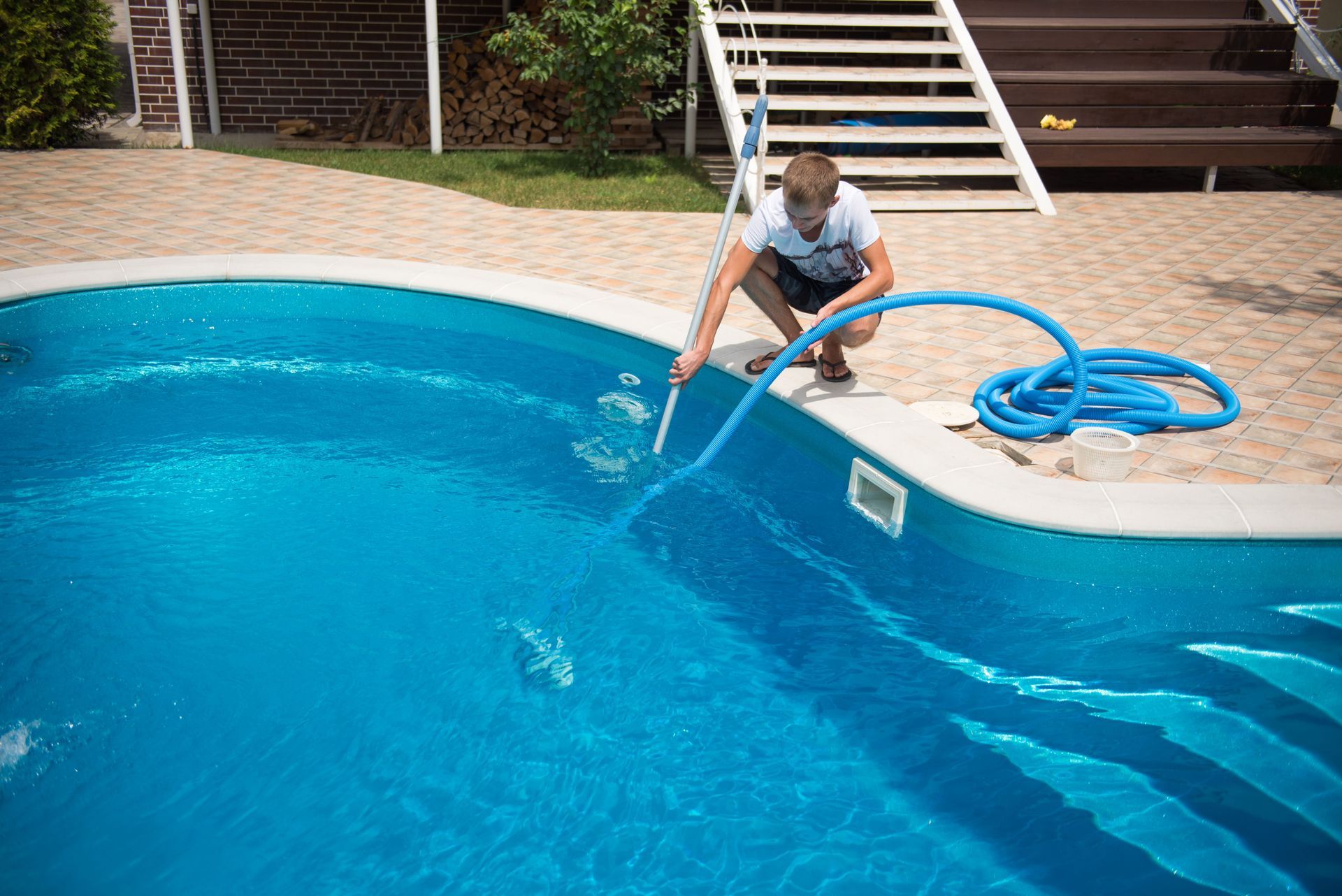
Regular cleaning, water testing, and equipment checks are essential. Maintaining proper chemical balance helps protect surfaces and prevent algae growth. Monitoring water levels can also help you detect potential leaks early.
Scheduling routine inspections with a professional can provide added assurance that everything is functioning properly. These check-ups can catch small problems before they develop into larger concerns.
Choosing the Right Pool Repair Service
Selecting the right service provider is an important step in the repair process. A qualified and experienced technician can make a significant difference in the quality of the work and the overall experience.
Look for companies with a strong reputation and positive customer feedback. Licensing and insurance are also important factors, as they demonstrate professionalism and accountability.
Ask about the technician's experience with your specific type of pool and the issue you're facing. Clear communication and transparency are key indicators of a reliable service provider.
Keeping your pool in great shape doesn't have to feel overwhelming when you have the right information and support. If you've noticed signs of trouble or want a professional assessment, now is the time to take action. Reach out to Reed's Pool Service to get the answers and solutions you need to keep your pool running smoothly.

Share On: